

Studying doesn’t have to feel overwhelming. With the right Study Tips for Students, you can improve your focus, remember information longer, and perform better in exams without spending endless hours with your books. Whether you’re in school, college, or university, small changes to your study routine can make a big difference. In this guide, you’ll discover practical, easy-to-follow strategies that help you study smarter, stay motivated, and achieve your academic goals.
Why Good Study Habits Matter

Good study habits are the foundation of academic success. They help you:
- Understand concepts more effectively
- Reduce exam stress
- Improve memory and concentration
- Manage time wisely
- Build confidence in your learning
Instead of studying longer, focus on studying more efficiently.
Top Study Tips for Students
1. Set Clear Study Goals
Before you begin, decide exactly what you want to accomplish.
For example:
- Complete one chapter
- Solve 20 math problems
- Memorize key definitions
- Finish a practice test
Clear goals keep you focused and motivated.
2. Create a Study Schedule
Having a daily study plan prevents last-minute cramming.
A simple study schedule might include:
| Time | Activity |
| 4:00 PM – 4:45 PM | Science |
| 5:00 PM – 5:45 PM | Mathematics |
| 6:00 PM – 6:30 PM | Review Notes |
| 7:00 PM – 7:30 PM | Practice Questions |
Consistency is more important than studying for many hours occasionally.
3. Choose a Quiet Study Environment
Your study space should be:
- Clean
- Comfortable
- Well-lit
- Free from distractions
Keep only the materials you need on your desk.
4. Eliminate Distractions
Social media and notifications can interrupt your concentration.
Try these tips:
- Put your phone on silent mode.
- Turn off unnecessary notifications.
- Use website blockers during study sessions.
- Inform family members that you’re studying.
Focused study saves time.
5. Use the Pomodoro Technique
Study for:
- 25 minutes of focused work
- 5-minute break
After four sessions, take a longer break of 20–30 minutes.
This method helps prevent mental fatigue.
6. Take Effective Notes
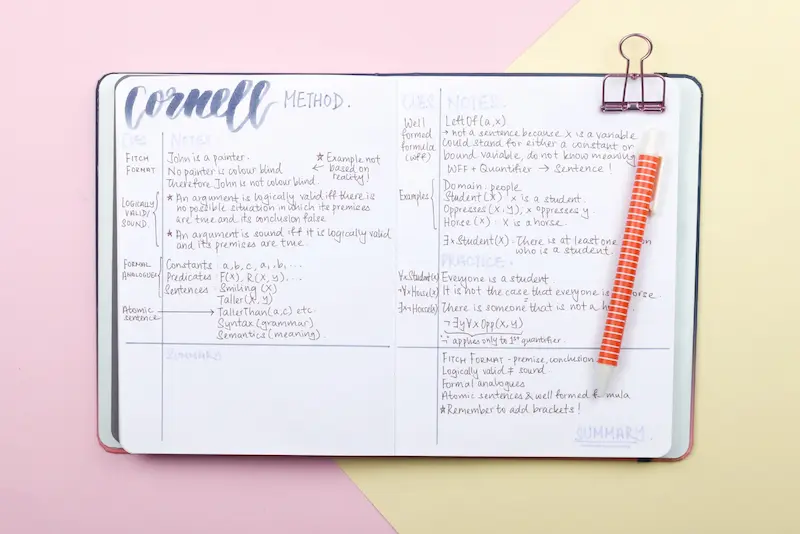
Writing notes improves understanding and memory.
Good notes should include:
- Main ideas
- Key formulas
- Important dates
- Diagrams
- Short summaries
Use headings and bullet points for better organization.
7. Review Regularly
Don’t wait until exams to revise.
A good review schedule:
- Review after one day
- Review after one week
- Review after one month
Frequent revision strengthens long-term memory.
8. Practice Active Learning
Instead of only reading, actively engage with the material.
Try:
- Solving problems
- Teaching someone else
- Making flashcards
- Creating mind maps
- Taking quizzes
Active learning improves understanding much more than passive reading.
9. Stay Organized
Keep your:
- Notes
- Assignments
- Books
- Digital files
- Study materials
Proper organization saves valuable study time.
10. Get Enough Sleep
Sleep plays a major role in learning.
Aim for:
- 7–9 hours of sleep each night
A well-rested brain remembers information much better.
11. Eat Healthy Foods
Your brain needs proper nutrition.
Healthy study snacks include:
- Fruits
- Nuts
- Yogurt
- Eggs
- Whole grains
Drink plenty of water throughout the day.
12. Practice Past Papers
Past exam papers help you:
- Understand question patterns
- Improve speed
- Build confidence
- Identify weak areas
Practice under timed conditions whenever possible.
13. Ask Questions
If you don’t understand something:
- Ask your teacher.
- Discuss with classmates.
- Join study groups.
- Search for reliable educational resources.
Never let confusion build up.
14. Break Large Tasks into Smaller Ones
Instead of saying:
“I need to study Biology.”
Break it into:
- Chapter 1
- Cell Structure
- Cell Division
- Practice Questions
Smaller tasks feel much easier to complete.
15. Stay Positive
Believe in your ability to improve.
Replace thoughts like:
“I can’t do this.”
With:
“I’ll understand this with practice.”
A positive mindset supports consistent learning.
Best Daily Study Routine for Students
A balanced routine might look like this:
- Wake up early.
- Eat a healthy breakfast.
- Attend classes attentively.
- Review class notes the same day.
- Complete homework.
- Study difficult subjects first.
- Take regular breaks.
- Exercise for at least 20–30 minutes.
- Sleep on time.
Following a routine builds discipline and reduces stress.
Common Study Mistakes to Avoid
Many students struggle because of habits that reduce learning effectiveness.
Avoid these mistakes:
- Cramming before exams
- Multitasking while studying
- Skipping revision
- Ignoring difficult topics
- Studying without breaks
- Poor time management
- Lack of sleep
- Studying only by rereading notes
Recognizing these habits is the first step toward improving your study routine.
You may also like to read this:
Effective Study Tips: Learn Faster and Score Better
Exam Study Tips: Study Smarter and Score Higher
Smart Study Methods For Students To Learn Faster and Better
Study Time Management: Smart Tips For Students
Study Techniques That Really Work
Different methods suit different learners. Experiment to find what works best for you.
Active Recall
Test yourself instead of simply rereading notes.
Spaced Repetition
Review information over increasing intervals to strengthen memory.
Mind Mapping
Connect ideas visually using diagrams.
Flashcards
Perfect for vocabulary, formulas, and definitions.
Practice Testing
Regular quizzes help reinforce learning and reveal knowledge gaps.
Time Management Tips for Students
Managing your time well helps you stay productive and avoid last-minute stress.
- Prioritize important tasks.
- Set realistic deadlines.
- Use a planner or calendar.
- Avoid procrastination.
- Study consistently every day.
- Balance study with relaxation.
Even one focused hour can be more productive than several distracted hours.
How to Stay Motivated While Studying
Motivation comes and goes, but good habits keep you moving forward.
Here are a few ways to stay motivated:
- Set small, achievable goals.
- Reward yourself after completing tasks.
- Track your progress.
- Study with a friend occasionally.
- Remember your long-term goals.
- Celebrate improvements, no matter how small.
Progress is built through consistent effort.
Benefits of Following These Study Tips for Students
Using these Study Tips for Students consistently can help you:
- Improve grades
- Learn faster
- Remember information longer
- Reduce exam anxiety
- Increase confidence
- Develop better study habits
- Save time
- Achieve academic success
The key is consistency rather than perfection.
Final Thoughts
Success in school isn’t just about studying harder—it’s about studying smarter. These Study Tips for Students are simple, practical, and easy to apply to your daily routine. Start with one or two strategies, build consistent habits, and gradually improve your study skills over time. Every small step you take today can lead to greater confidence, stronger academic performance, and long-term success. Keep learning, stay curious, and remember that steady progress is what truly makes a difference.
Frequently Asked Questions (FAQs)
1. What are the best study tips for students?
The best Study Tips for Students include creating a study schedule, setting clear goals, taking regular breaks, practicing active recall, reviewing notes consistently, and studying in a distraction-free environment.
2. How many hours should a student study each day?
There is no fixed number of hours. Most students benefit from 2–4 hours of focused study outside of class, depending on their grade level, workload, and upcoming exams. Quality is more important than quantity.
3. How can I improve my concentration while studying?
You can improve concentration by studying in a quiet place, turning off phone notifications, using the Pomodoro Technique, staying hydrated, and taking short breaks between study sessions.
4. Is studying every day better than cramming before exams?
Yes. Studying a little every day helps you retain information longer, reduces stress, and improves exam performance compared to last-minute cramming.
5. What is the Pomodoro Technique?
The Pomodoro Technique is a time management method where you study for 25 minutes, take a 5-minute break, and repeat the cycle. After four sessions, take a longer break of 20–30 minutes.