

Student productivity tips can make a huge difference in how you study, manage your time, and achieve better academic results. If you’ve ever felt overwhelmed by assignments, exams, or endless to-do lists, you’re not alone. Every student faces challenges with staying focused and motivated.
The good news is that productivity isn’t about studying longer—it’s about studying smarter. By following the right strategies, you can complete your work faster, reduce stress, and still have time for hobbies, family, and friends.
In this guide, you’ll discover practical and easy-to-follow student productivity tips that can improve your daily routine and help you reach your academic goals.
Why Productivity Matters for Students

Being productive means making the best use of your time and energy. Instead of spending hours studying without results, productive students focus on learning efficiently.
Benefits include:
- Better grades
- Less stress during exams
- Improved focus
- More free time
- Greater confidence
- Better work-life balance
- Healthier study habits
Productivity isn’t about being busy all day—it’s about making progress every day.
1. Set Clear Academic Goals
Before you begin studying, ask yourself:
- What do I need to finish today?
- Which subject needs the most attention?
- What is my deadline?
Clear goals help you stay focused and avoid wasting time.
SMART Goals Example
Instead of saying:
“I’ll study math.”
Say:
“I’ll complete Chapter 5 exercises and review algebra formulas in one hour.”
Specific goals make studying easier and more effective.
2. Create a Daily Study Schedule
A daily routine helps you stay organized and prevents last-minute cramming.
Your schedule should include:
- Study sessions
- Breaks
- Homework
- Exercise
- Meals
- Sleep
- Relaxation
When studying becomes part of your daily routine, it feels less like a chore.
3. Prioritize Important Tasks
Not every task is equally important.
Start with:
- Assignments due tomorrow
- Upcoming exams
- Difficult subjects
- Long-term projects
Leave smaller tasks for later.
A priority list helps you avoid unnecessary stress.
4. Eliminate Distractions
Distractions are one of the biggest productivity killers.
Common distractions include:
- Social media
- Mobile phones
- Television
- Gaming
- Background noise
Try these solutions:
- Turn off notifications.
- Keep your phone away.
- Study in a quiet place.
- Use website blockers if necessary.
- Tell family members your study time.
A distraction-free environment improves concentration significantly.
5. Use the Pomodoro Technique
One of the most popular student productivity tips is the Pomodoro Technique.
Here’s how it works:
- Study for 25 minutes.
- Take a 5-minute break.
- Repeat four times.
- Take a longer 20–30 minute break.
This method keeps your brain fresh and prevents burnout.
6. Break Large Tasks into Smaller Steps
Big assignments can feel overwhelming.
Instead of writing:
“Complete research paper.”
Break it into:
- Choose topic
- Research sources
- Create outline
- Write introduction
- Write body
- Edit draft
- Proofread
- Submit
Small tasks feel easier and help maintain motivation.
7. Study in a Clean Workspace
A cluttered desk often leads to a cluttered mind.
Keep only essential items nearby:
- Notebook
- Textbooks
- Laptop
- Water bottle
- Pens
- Highlighters
A clean environment improves concentration.
8. Take Effective Notes
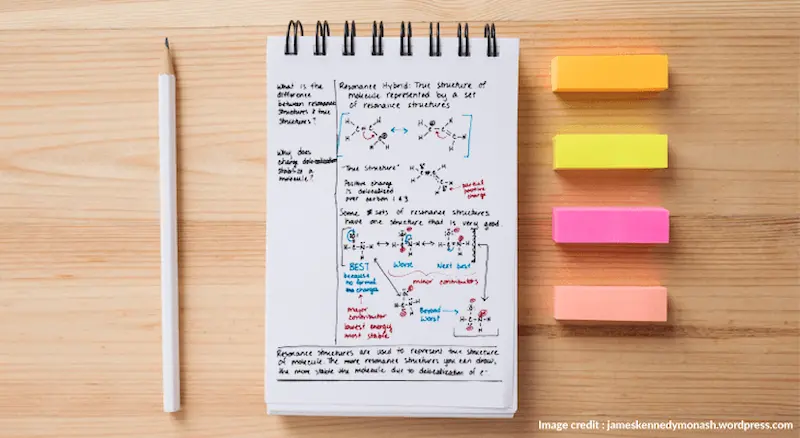
Good notes make revision easier.
Popular note-taking methods include:
Cornell Method
Divide your page into sections for notes, questions, and summaries.
Mind Maps
Perfect for visual learners.
Bullet Notes
Quick, simple, and organized.
Choose the method that works best for your learning style.
9. Review Your Notes Regularly
Don’t wait until exam week.
Review your notes:
- Daily
- Weekly
- Before quizzes
- Before exams
Frequent revision improves long-term memory.
10. Avoid Multitasking
Many students believe multitasking saves time.
In reality, switching between tasks reduces focus.
Instead:
- Finish one assignment.
- Then move to the next.
Single-tasking leads to better productivity.
You may also like to read this:
Digital Learning Tools: Best Tools For Online Learning
Educational Study Resources For Smarter Learning
Student Learning Materials: Best Study Resources
Learning Resource Guide: Best Tools For Learning
Student Success Tips To Achieve Academic Goals
11. Get Enough Sleep
Sleep is essential for learning.
Students should aim for 7–9 hours of quality sleep each night.
Benefits include:
- Better memory
- Improved concentration
- Higher energy
- Faster learning
- Better mood
Late-night studying isn’t always productive if you’re too tired to focus.
12. Eat Healthy Foods
Your brain needs proper nutrition.
Healthy study snacks include:
- Fruits
- Nuts
- Yogurt
- Eggs
- Whole grains
- Vegetables
Drink plenty of water throughout the day.
Avoid excessive sugary drinks that can cause energy crashes.
13. Exercise Regularly
Physical activity boosts brain performance.
Even 20–30 minutes of exercise can:
- Improve focus
- Reduce stress
- Increase energy
- Improve memory
Walking, cycling, stretching, or playing sports are all great options.
14. Use Technology Wisely
Technology can either help or distract you.
Helpful tools include:
- Calendar apps
- Reminder apps
- Digital flashcards
- Note-taking apps
- Task managers
- Cloud storage
Use technology to stay organized rather than lose focus.
15. Practice Active Learning
Don’t just read your textbook.
Instead:
- Ask questions.
- Solve practice problems.
- Teach someone else.
- Create summaries.
- Use flashcards.
- Test yourself regularly.
Active learning improves understanding.
16. Learn to Say No
Sometimes productivity means protecting your study time.
Avoid:
- Unnecessary outings
- Endless scrolling
- Time-wasting activities
It’s okay to say no when your priorities matter.
17. Stay Motivated
Motivation doesn’t always come naturally.
Keep yourself inspired by:
- Celebrating small achievements
- Tracking progress
- Rewarding yourself after completing tasks
- Remembering your long-term goals
Progress is built one step at a time.
18. Manage Exam Stress
Exam pressure affects many students.
Reduce stress by:
- Starting revision early
- Practicing past papers
- Sleeping well
- Taking breaks
- Staying positive
Preparation builds confidence.
19. Build Consistent Habits
Success comes from daily habits, not occasional bursts of effort.
Simple habits include:
- Studying at the same time each day
- Reviewing notes regularly
- Planning tomorrow’s tasks each evening
- Keeping your workspace organized
Consistency makes productivity easier over time.
20. Track Your Progress
Spend a few minutes each week reviewing your achievements.
Ask yourself:
- What did I complete?
- What distracted me?
- What can I improve next week?
Tracking progress helps you identify what’s working and where you can improve.
Common Productivity Mistakes Students Should Avoid
Many students unknowingly reduce their productivity by making these mistakes:
- Procrastinating until deadlines
- Skipping breaks
- Studying without a plan
- Staying up too late
- Ignoring difficult subjects
- Using phones during study sessions
- Trying to multitask
- Forgetting to review notes
Recognizing these habits is the first step toward changing them.
Sample Daily Study Routine
| Time | Activity |
| 7:00 AM | Wake up and breakfast |
| 8:00 AM | Study Session 1 |
| 9:30 AM | Short break |
| 9:45 AM | Study Session 2 |
| 11:15 AM | Homework |
| 12:30 PM | Lunch |
| 2:00 PM | Revision |
| 3:00 PM | Exercise |
| 4:00 PM | Free time |
| 6:00 PM | Review notes |
| 10:00 PM | Sleep |
Adjust this schedule to match your classes and personal routine.
Benefits of Following Student Productivity Tips
When you consistently apply these student productivity tips, you can expect:
- Improved academic performance
- Better time management
- Increased confidence
- Reduced stress
- More free time
- Better concentration
- Stronger study habits
- Greater motivation
Small improvements each day can lead to significant long-term success.
Final Thoughts
Improving your productivity doesn’t require studying all day or giving up your free time. The best student productivity tips focus on building smart habits, staying organized, and making the most of every study session. Start by choosing one or two strategies from this guide and practice them consistently. Over time, these habits will become part of your routine, helping you learn more effectively, reduce stress, and achieve your academic goals with greater confidence.
Remember, steady progress is far more valuable than occasional bursts of intense effort.
Frequently Asked Questions (FAQs)
1. What are the best student productivity tips?
The best student productivity tips include creating a study schedule, setting clear goals, avoiding distractions, using the Pomodoro Technique, taking regular breaks, and reviewing your notes consistently. These habits help you study more efficiently and improve academic performance.
2. How can students improve productivity while studying?
Students can improve productivity by studying in a quiet environment, prioritizing important tasks, breaking large assignments into smaller steps, staying organized, and maintaining a healthy routine with enough sleep and exercise.
3. Why is time management important for students?
Time management helps students complete assignments on time, prepare for exams without stress, balance school and personal life, and make better use of their study hours.
4. What is the Pomodoro Technique?
The Pomodoro Technique is a time management method where you study for 25 minutes, take a 5-minute break, and repeat the cycle. After four study sessions, you take a longer break. This helps maintain focus and prevent mental fatigue.
5. How can I avoid distractions while studying?
To avoid distractions, keep your phone on silent or in another room, turn off unnecessary notifications, study in a quiet space, and use website-blocking apps if social media interrupts your focus.