
Choosing the right career can feel overwhelming, but having a Career Planning Guide makes the process much easier. Whether you’re a student, recent graduate, or someone thinking about changing careers, a clear plan helps you make confident decisions. Instead of guessing what to do next, you can set goals, build skills, and move toward a career that matches your interests and strengths.
In this guide, you’ll learn practical steps to plan your career, avoid common mistakes, and create a roadmap that leads to long-term success.
What Is Career Planning?
Career planning is the process of identifying your career goals and creating a strategy to achieve them. It involves understanding your interests, skills, values, and the opportunities available in the job market.
A good career plan helps you:
- Make informed career decisions
- Stay focused on your goals
- Develop relevant skills
- Increase job satisfaction
- Adapt to changing career opportunities
Career planning isn’t something you do only once. It’s an ongoing process that changes as you gain experience and discover new interests.
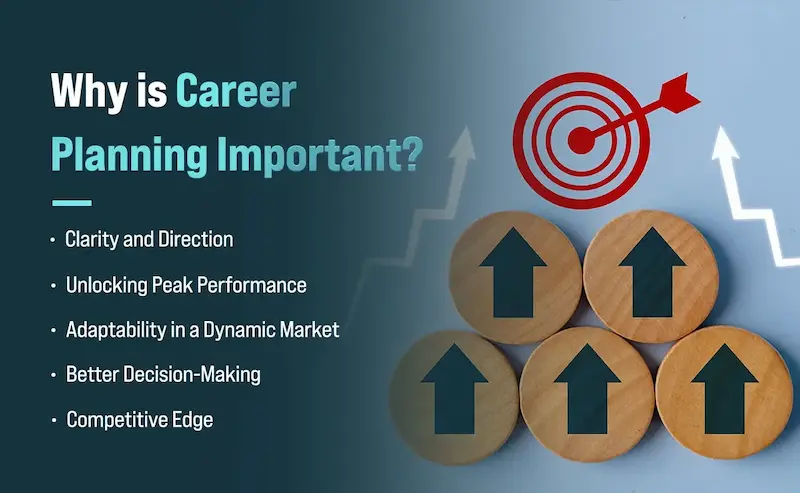
Why Is Career Planning Important?
Without a career plan, it’s easy to feel lost or accept jobs that don’t match your long-term goals.
Here are some benefits of career planning:
- Provides direction and purpose
- Helps you choose the right education
- Saves time and money
- Improves confidence
- Increases earning potential
- Helps you prepare for future opportunities
- Encourages continuous learning
When you know where you’re heading, every step becomes more meaningful.
Step-by-Step Career Planning Guide
Step 1: Understand Yourself
Everything starts with self-awareness.
Ask yourself:
- What subjects do I enjoy?
- What are my strengths?
- Which skills come naturally?
- What motivates me?
- What type of work environment do I prefer?
You can also take career assessment tests to discover careers that match your personality.
Step 2: Identify Your Skills
Your skills play a huge role in career success.
Hard Skills
These are technical abilities you learn through education or training.
Examples:
- Programming
- Graphic design
- Accounting
- Data analysis
- Writing
Soft Skills
These are personal qualities that employers value.
Examples:
- Communication
- Leadership
- Teamwork
- Time management
- Problem-solving
- Adaptability
Building both types of skills gives you a competitive advantage.
Step 3: Explore Career Options
Don’t limit yourself to one career.
Research different industries and job roles.
Things to compare include:
| Career | Education Required | Salary Potential | Job Growth | Work-Life Balance |
| Software Developer | Bachelor’s Degree | High | Excellent | Good |
| Teacher | Bachelor’s Degree | Moderate | Stable | Good |
| Digital Marketer | Certifications/Degree | High | Excellent | Flexible |
| Nurse | Nursing Degree | High | Strong | Moderate |
| Graphic Designer | Degree/Portfolio | Moderate | Growing | Flexible |
Researching multiple options helps you find the best fit.
Step 4: Set SMART Career Goals
Your goals should be:
- Specific
- Measurable
- Achievable
- Relevant
- Time-bound
Example:
“I want to become a digital marketing specialist within two years by completing certifications, building a portfolio, and gaining internship experience.”
SMART goals keep you motivated and focused.
Step 5: Create an Education Plan
Determine what qualifications your desired career requires.
You may need:
- College degree
- University degree
- Professional certifications
- Online courses
- Workshops
- Industry training
Learning never stops, especially in fast-changing industries.
Step 6: Gain Practical Experience
Experience often matters as much as education.
Ways to gain experience include:
- Internships
- Volunteer work
- Freelancing
- Part-time jobs
- Personal projects
- Student organizations
Every experience helps build your resume.
Step 7: Build a Strong Resume
Your resume should highlight:
- Education
- Skills
- Experience
- Certifications
- Achievements
- Projects
Tips:
- Keep it concise.
- Use action verbs.
- Tailor it for each job.
- Check for spelling errors.
A strong resume increases your chances of getting interviews.
Step 8: Develop Professional Skills
Today’s employers value more than technical knowledge.
Focus on improving:
- Leadership
- Public speaking
- Critical thinking
- Emotional intelligence
- Creativity
- Decision-making
- Conflict resolution
These skills help you grow faster in your career.
Step 9: Build Your Professional Network
Networking opens doors to opportunities.
You can network by:
- Attending industry events
- Joining professional organizations
- Connecting on LinkedIn
- Participating in online communities
- Talking to mentors
Many jobs are found through professional connections.
Step 10: Keep Learning
Industries change rapidly.
Stay updated through:
- Online courses
- Books
- Podcasts
- Webinars
- Professional certifications
- Industry blogs
Continuous learning keeps your skills relevant.
You may also like to read this:
Effective Study Tips: Learn Faster and Score Better
Exam Study Tips: Study Smarter and Score Higher
Smart Study Methods For Students To Learn Faster and Better
Study Time Management: Smart Tips For Students
Study Motivation Tips To Stay Focused Every Day
Common Career Planning Mistakes
Avoid these common mistakes:
- Choosing a career based only on salary
- Ignoring your interests
- Not researching job opportunities
- Avoiding skill development
- Skipping internships
- Not updating your resume
- Failing to network
- Giving up after setbacks
Learning from mistakes helps you grow stronger.
Career Planning Tips for Students
If you’re still in school, start early.
Helpful tips:
- Explore different career paths.
- Join extracurricular activities.
- Improve communication skills.
- Learn computer skills.
- Build a professional online profile.
- Take internships seriously.
- Ask teachers and mentors for guidance.
Early planning creates more opportunities later.
Career Planning Tips for Professionals
If you’re already working, career planning is still important.
Consider:
- Learning new skills
- Seeking promotions
- Earning certifications
- Building leadership abilities
- Expanding your network
- Exploring new industries
- Setting long-term career goals
Growth never stops.
How to Stay Motivated
Career planning takes time.
Stay motivated by:
- Celebrating small achievements
- Tracking your progress
- Learning from failures
- Staying positive
- Seeking mentorship
- Updating your goals regularly
Consistency matters more than perfection.
Useful Tools for Career Planning
These resources can help you stay organized:
- Career assessment tests
- Goal-setting journals
- Resume builders
- Job search websites
- Online learning platforms
- Professional networking websites
- Skill assessment tools
Using the right tools makes planning easier.
Career Planning Checklist
Use this checklist to stay on track:
- Understand your interests
- Identify your strengths
- Research careers
- Set SMART goals
- Create a learning plan
- Gain experience
- Build your resume
- Develop soft skills
- Network professionally
- Continue learning
Review this checklist regularly to measure your progress.
Final Thoughts
A well-structured Career Planning Guide can help you make smarter decisions and build a rewarding future. Remember that your career journey is unique, and it’s okay if your goals evolve over time. Focus on understanding yourself, building valuable skills, gaining practical experience, and staying open to new opportunities.
Every small step you take today brings you closer to the career you truly want. Start planning now, stay consistent, and keep learning. Your future success begins with the choices you make today.
Frequently Asked Questions (FAQs)
What is a career planning guide?
A career planning guide is a step-by-step resource that helps you identify your strengths, explore career options, set goals, and create a roadmap for achieving long-term career success.
Why is career planning important?
Career planning provides direction, helps you choose the right education and skills, improves decision-making, and increases your chances of achieving your professional goals.
When should I start career planning?
It’s never too early or too late. Students can start exploring career options during school, while professionals can use career planning to advance or change careers.
How do I choose the right career?
Consider your interests, strengths, values, personality, skills, and long-term goals. Research different careers and gain practical experience before making a decision.
What skills are most important for career success?
Both technical (hard) skills and soft skills such as communication, teamwork, leadership, adaptability, and problem-solving are essential for long-term career growth.