

Whether you’re just starting your professional journey or looking to grow in your current role, a Career Skills Guide can help you understand the abilities employers value most. Building the right skills doesn’t happen overnight, but with consistent effort and the right mindset, you can improve your confidence, increase your job opportunities, and achieve your long-term career goals.
In this guide, you’ll learn what career skills are, why they matter, the most important skills to develop, and practical ways to strengthen them.
What Is a Career Skills Guide?
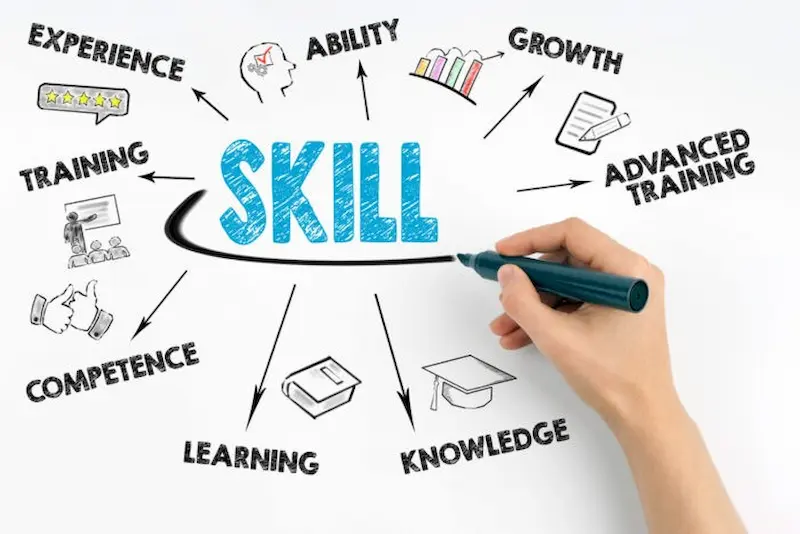
A Career Skills Guide is a roadmap that helps you identify, learn, and improve the skills needed for career success. These skills include technical knowledge, communication abilities, leadership qualities, problem-solving techniques, and personal habits that make you a valuable employee or business owner.
Career skills are useful in every profession, whether you work in healthcare, education, technology, finance, marketing, construction, or any other industry.
Why Career Skills Matter
Developing strong career skills can make a significant difference in your professional life. They help you:
- Increase your chances of getting hired
- Perform better at work
- Build stronger relationships with colleagues
- Earn promotions faster
- Adapt to workplace changes
- Improve confidence and productivity
- Become a better leader
- Stay competitive in today’s job market
Employers often value practical skills just as much as academic qualifications.
Types of Career Skills
Career skills generally fall into two categories:
Hard Skills
Hard skills are technical abilities that you learn through education, training, or hands-on experience.
Examples include:
- Computer programming
- Graphic design
- Accounting
- Data analysis
- Digital marketing
- Project management
- Microsoft Excel
- Writing and editing
- Foreign languages
These skills are measurable and often listed on resumes.
Soft Skills
Soft skills are personal qualities that help you work effectively with others.
Examples include:
- Communication
- Teamwork
- Leadership
- Time management
- Adaptability
- Creativity
- Emotional intelligence
- Critical thinking
- Problem-solving
- Work ethic
Soft skills often determine how successful you become in the workplace.
Top Career Skills You Should Develop
1. Communication Skills
Clear communication is one of the most valuable workplace skills.
Good communication includes:
- Active listening
- Speaking confidently
- Professional writing
- Giving presentations
- Asking thoughtful questions
Strong communicators solve problems faster and build better relationships.
2. Time Management
Managing your time helps you stay productive and reduce stress.
Ways to improve:
- Create daily task lists
- Prioritize important work
- Avoid unnecessary distractions
- Break large projects into smaller tasks
- Use calendars and planning apps
Time management allows you to meet deadlines consistently.
3. Problem-Solving Skills
Every workplace faces challenges.
Problem-solving involves:
- Identifying issues
- Analyzing possible solutions
- Making informed decisions
- Evaluating results
Employers appreciate professionals who can think independently.
4. Leadership Skills
Leadership isn’t only for managers.
Leadership includes:
- Taking responsibility
- Motivating others
- Making decisions
- Managing conflicts
- Inspiring teamwork
Anyone can develop leadership skills through experience.
5. Teamwork
Most jobs require collaboration.
Good team members:
- Respect different opinions
- Share ideas openly
- Support colleagues
- Complete assigned responsibilities
- Help solve group challenges
Successful teams produce better results.
6. Adaptability
Technology and workplaces constantly change.
Adaptable professionals:
- Learn new skills quickly
- Accept feedback
- Stay positive during change
- Handle unexpected situations
- Embrace innovation
Adaptability increases long-term career success.
7. Critical Thinking
Critical thinking helps you make better decisions.
It involves:
- Evaluating information
- Asking meaningful questions
- Identifying risks
- Comparing solutions
- Thinking logically
This skill is valuable in every profession.
8. Digital Skills
Technology plays an important role in modern careers.
Useful digital skills include:
- Microsoft Office
- Google Workspace
- Video conferencing
- Cloud storage
- Social media management
- Artificial intelligence tools
- Data management
- Cybersecurity awareness
Improving digital skills makes you more employable.
9. Emotional Intelligence
Emotional intelligence helps you understand your emotions and those of others.
It includes:
- Self-awareness
- Self-control
- Empathy
- Relationship management
- Conflict resolution
High emotional intelligence creates stronger workplace relationships.
10. Networking Skills
Professional networking opens new career opportunities.
Build your network by:
- Attending industry events
- Joining professional groups
- Connecting on LinkedIn
- Helping others
- Maintaining relationships
Networking often leads to valuable career opportunities.
Career Skills Every Student Should Learn
Students can prepare for future careers by developing:
- Public speaking
- Research skills
- Computer literacy
- Team projects
- Presentation skills
- Resume writing
- Interview preparation
- Goal setting
- Financial literacy
- Professional communication
Learning these skills early provides a competitive advantage.
You may also like to read this:
Study Time Management: Smart Tips For Students
Study Motivation Tips To Stay Focused Every Day
Career Planning Guide: Steps For a Successful Career
Career Choice Guide For Students and Professionals
Career Development Tips For Long-Term Success
Career Skills Every Professional Needs
Experienced professionals should continue improving:
- Strategic thinking
- Leadership
- Negotiation
- Decision-making
- Project management
- Data analysis
- Coaching and mentoring
- Customer service
- Business communication
- Innovation
Continuous learning supports long-term career growth.
How to Improve Your Career Skills
Improving career skills requires consistent practice.
Here are practical steps:
Set Career Goals
Know what you want to achieve over the next one, three, and five years.
Take Online Courses
Many online platforms offer affordable or free training in professional skills.
Read Books
Books on leadership, productivity, communication, and business can improve your knowledge.
Practice Daily
Skills improve through repetition.
Practice:
- Writing emails
- Giving presentations
- Managing projects
- Solving problems
- Communicating with others
Ask for Feedback
Constructive feedback helps identify areas for improvement.
Listen carefully and apply useful suggestions.
Learn from Mentors
Experienced professionals can provide valuable advice and career guidance.
Volunteer for New Responsibilities
Taking on new challenges builds confidence and practical experience.
Stay Updated
Industries evolve rapidly.
Follow industry news, attend webinars, and continue learning throughout your career.
Common Career Skills Employers Look For
Most employers value candidates who demonstrate:
| Career Skill | Why It Matters |
| Communication | Improves teamwork and client relationships |
| Leadership | Helps manage projects and teams |
| Time Management | Ensures deadlines are met |
| Adaptability | Supports workplace change |
| Problem Solving | Finds efficient solutions |
| Teamwork | Encourages collaboration |
| Critical Thinking | Improves decision-making |
| Digital Skills | Supports modern workplaces |
| Creativity | Generates innovative ideas |
| Professionalism | Builds trust and reliability |
Common Mistakes That Slow Career Growth
Avoid these common mistakes:
- Ignoring skill development
- Resisting change
- Poor communication
- Weak time management
- Not asking questions
- Avoiding feedback
- Lack of confidence
- Failing to network
- Depending only on academic qualifications
- Stopping learning after getting a job
Recognizing these habits early can help you grow faster.
Benefits of Developing Career Skills
Investing in career skills offers many advantages:
- Better job opportunities
- Higher earning potential
- Greater confidence
- Improved productivity
- Stronger leadership abilities
- Better workplace relationships
- Career advancement
- Increased job satisfaction
- Long-term professional success
- Greater adaptability in changing industries
Career Skills Development Plan
Use this simple plan to build your skills:
| Month | Focus Area |
| Month 1 | Communication and confidence |
| Month 2 | Time management |
| Month 3 | Problem-solving |
| Month 4 | Leadership |
| Month 5 | Digital skills |
| Month 6 | Networking and career planning |
Review your progress monthly and adjust your goals as needed.
Final Thoughts
A strong Career Skills Guide isn’t just about finding a job—it’s about building a successful and fulfilling career. Every skill you develop today can create new opportunities tomorrow. Focus on improving one skill at a time, practice consistently, and stay open to learning throughout your career. The more you invest in your personal and professional development, the more prepared you’ll be for future challenges and opportunities.
Remember, career success is a journey, not a destination. Small, consistent improvements in your skills can lead to significant achievements over time.
FAQs About Career Skills Guide
1. What is a Career Skills Guide?
A Career Skills Guide is a resource that helps you understand and develop the skills needed to succeed in your career. It covers both technical (hard) skills and personal (soft) skills that employers value.
2. Why are career skills important?
Career skills improve your job performance, increase your employability, help you earn promotions, and prepare you for new opportunities. They also make it easier to adapt to changes in the workplace.
3. What are the most important career skills?
Some of the most valuable career skills include:
Communication
Time management
Problem-solving
Leadership
Teamwork
Adaptability
Critical thinking
Digital literacy
Emotional intelligence
Networking
4. What is the difference between hard skills and soft skills?
Hard skills are technical abilities that you learn through education or training, such as coding, accounting, or graphic design. Soft skills are personal qualities like communication, teamwork, and leadership that help you work effectively with others.
5. How can I improve my career skills?
You can improve your career skills by taking online courses, reading books, practicing regularly, asking for feedback, working with mentors, attending workshops, and gaining hands-on experience.