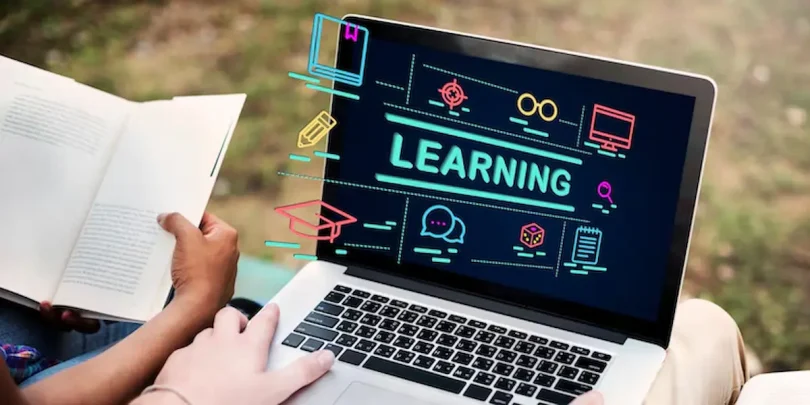

Learning new skills has never been easier, thanks to the wide variety of Free Learning Resources available online. Whether you’re a student, job seeker, professional, or simply someone who enjoys learning, you can access high-quality educational materials without paying a single dollar. From online courses and eBooks to educational videos and interactive platforms, free learning opportunities are everywhere.
In this guide, you’ll discover the best Free Learning Resources, how to use them effectively, and tips to maximize your learning experience. By the end, you’ll know exactly where to start and how to continue your educational journey without breaking your budget.
What Are Free Learning Resources?
Free Learning Resources are educational materials, tools, and platforms that anyone can access at no cost. These resources help people gain knowledge, improve skills, prepare for exams, or even build a new career.
They include:
- Online courses
- Educational websites
- Video tutorials
- eBooks
- Podcasts
- Digital libraries
- Practice quizzes
- Interactive learning apps
- Open educational resources (OER)
The biggest advantage is that you can learn anytime, anywhere, at your own pace.
Why Use Free Learning Resources?
There are many reasons people choose free educational resources.
Save Money
Education can be expensive. Free resources allow you to gain valuable knowledge without paying tuition or subscription fees.
Learn at Your Own Pace
Most online resources are available 24/7, allowing you to study whenever it fits your schedule.
Explore Different Subjects
You can learn:
- Programming
- Business
- Marketing
- Graphic Design
- Writing
- Mathematics
- Science
- Languages
- Personal Finance
- Photography
- Artificial Intelligence
Without spending money.
Improve Career Opportunities
Learning new skills can strengthen your resume and improve your chances of getting promoted or finding a better job.
Types of Free Learning Resources
There are many kinds of educational resources available online.
1. Online Courses
Many websites offer free beginner and advanced courses.
Popular topics include:
- Coding
- Business
- Digital Marketing
- Graphic Design
- Data Science
- Web Development
- Cybersecurity
2. Educational Videos
Video lessons make learning easier because you can watch demonstrations and follow along.
Common subjects include:
- Mathematics
- Science
- History
- Languages
- Cooking
- Technology
3. Free eBooks
Thousands of books are available online covering:
- Fiction
- Non-fiction
- Academic textbooks
- Programming
- Business
- Self-improvement
4. Podcasts
Podcasts allow you to learn while:
- Driving
- Walking
- Exercising
- Cooking
- Traveling
They’re perfect for busy learners.
5. Educational Blogs
Many experts publish detailed guides, tutorials, and industry insights for free.
Blogs are especially useful for:
- SEO
- Marketing
- Programming
- Health
- Finance
- Career advice
6. Open Educational Resources (OER)
Open Educational Resources include:
- Lesson plans
- Textbooks
- Research materials
- Practice exercises
- Lecture notes
These resources are often created by universities and educational organizations.
Best Subjects You Can Learn for Free
The internet offers learning opportunities in nearly every field.
Technology
Learn:
- Python
- JavaScript
- HTML
- CSS
- AI
- Machine Learning
- Cloud Computing
Business
Topics include:
- Entrepreneurship
- Accounting
- Finance
- Sales
- Leadership
- Project Management
Marketing
Develop skills in:
- SEO
- Social Media Marketing
- Email Marketing
- Content Marketing
- Google Ads
- Analytics
Design
Study:
- Photoshop
- Canva
- UI/UX Design
- Graphic Design
- Video Editing
Languages
Popular language options include:
- English
- Spanish
- French
- German
- Japanese
- Korean
- Chinese
Personal Development
Improve:
- Communication
- Public Speaking
- Productivity
- Time Management
- Leadership
- Critical Thinking
How to Choose the Right Free Learning Resources
Not every resource fits every learner. Consider these factors before choosing.
Define Your Goal
Ask yourself:
- Why do I want to learn this?
- What skill do I want?
- Do I need certification?
Clear goals keep you motivated.
Check Credibility
Choose resources created by:
- Universities
- Industry experts
- Educational organizations
- Experienced professionals
Reliable sources provide accurate information.
Read Reviews
User reviews can help you understand:
- Course quality
- Teaching style
- Difficulty level
- Practical value
Look for Updated Content
Technology changes quickly.
Choose learning materials that are regularly updated.
Benefits of Using Free Learning Resources
There are many advantages beyond saving money.
Flexible Learning
Study whenever you have free time.
Wide Variety
Explore thousands of subjects.
Self-Paced Education
Repeat lessons until you understand them completely.
Career Growth
New skills can lead to better job opportunities.
Lifelong Learning
Continue developing personally and professionally throughout your life.
Tips for Learning Successfully
Free resources work best when combined with good study habits.
Create a Study Schedule
Set aside regular study time every day.
Even 30 minutes daily can make a big difference.
Take Notes
Writing notes improves memory and understanding.
Practice What You Learn
Apply your new knowledge through:
- Small projects
- Exercises
- Real-life examples
- Practice tests
Stay Consistent
Learning a little every day is more effective than studying for hours once a week.
Track Your Progress
Keep a checklist of completed lessons and skills you’ve learned.
Watching your progress grow is motivating.
Common Mistakes to Avoid
Many learners struggle because they make simple mistakes.
Avoid these:
- Taking too many courses at once
- Skipping practice
- Not setting learning goals
- Giving up too early
- Ignoring review sessions
- Learning without applying knowledge
You may also like to read this:
Career Choice Guide For Students and Professionals
Career Development Tips For Long-Term Success
Career Skills Guide: Build Skills For Career Success
Best Career Options: Top Careers For a Bright Future
Career Success Guide: Tips For Professional Growth
Who Can Benefit from Free Learning Resources?
Almost everyone.
These resources are ideal for:
- Students
- Teachers
- Parents
- College graduates
- Job seekers
- Freelancers
- Entrepreneurs
- Professionals
- Lifelong learners
- Retirees
No matter your age or experience level, there’s something valuable to learn.
Building a Free Learning Routine
Here’s a simple weekly learning plan.
| Day | Activity |
| Monday | Watch one educational video |
| Tuesday | Read an article or chapter |
| Wednesday | Complete a practice exercise |
| Thursday | Review previous lessons |
| Friday | Work on a small project |
| Saturday | Take an online quiz |
| Sunday | Reflect and plan next week’s learning |
Following a routine helps you stay consistent and make steady progress.
The Future of Free Learning Resources
Education continues to evolve with technology.
Future learning trends include:
- Artificial Intelligence tutors
- Personalized learning paths
- Interactive simulations
- Virtual classrooms
- Gamified education
- Mobile-first learning
- Microlearning lessons
- AI-powered assessments
These innovations will make learning even more accessible and engaging.
Conclusion
Free Learning Resources have transformed education by making high-quality knowledge available to everyone. Whether you want to improve your career, learn a new hobby, earn valuable skills, or simply expand your knowledge, there are countless free resources waiting for you.
The key is to choose reliable materials, stay consistent, and practice what you learn. Remember that learning is a lifelong journey, and every small step you take today brings you closer to your personal and professional goals.
Start with one topic that interests you, create a simple learning routine, and enjoy the process of growing your skills—completely free.
Frequently Asked Questions (FAQs)
1. What are Free Learning Resources?
Free Learning Resources are educational materials that you can access without paying. They include online courses, video tutorials, eBooks, podcasts, articles, practice quizzes, and interactive learning platforms that help you build knowledge and skills.
2. Are Free Learning Resources really free?
Yes, many Free Learning Resources are completely free to use. Some platforms may offer optional paid certificates or premium features, but the learning content itself is often available at no cost.
3. Who can use Free Learning Resources?
Anyone can use Free Learning Resources, including students, teachers, professionals, job seekers, freelancers, entrepreneurs, and lifelong learners. They are designed for people of all ages and skill levels.
4. What subjects can I learn using Free Learning Resources?
You can learn a wide range of subjects, including programming, digital marketing, graphic design, business, finance, languages, mathematics, science, personal development, writing, photography, and much more.
5. Can Free Learning Resources help me get a job?
Yes. Learning new skills through Free Learning Resources can improve your resume, increase your knowledge, and help you qualify for better job opportunities. Building a portfolio with your new skills can further strengthen your chances of employment.